Learner Information Framework
The Learner Information Framework (LIF) is a set of open-source tools and a shared data model that work with existing systems to find, translate, and package learner information into a consistent, governed format, so institutions, data leaders, and application teams can use it reliably and securely.
What is LIF?
LIF makes learner data usable without custom integrations for institutions, organizations, and teams building learner-facing applications, reducing integration burden while enabling systems and tools to work with a more complete, trusted picture of the learner.
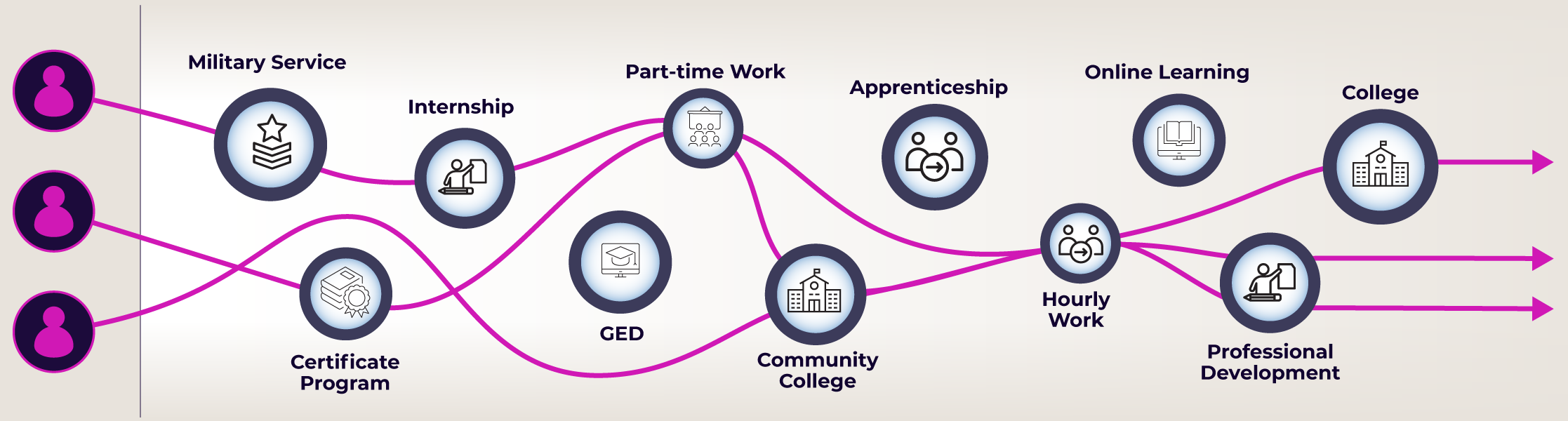
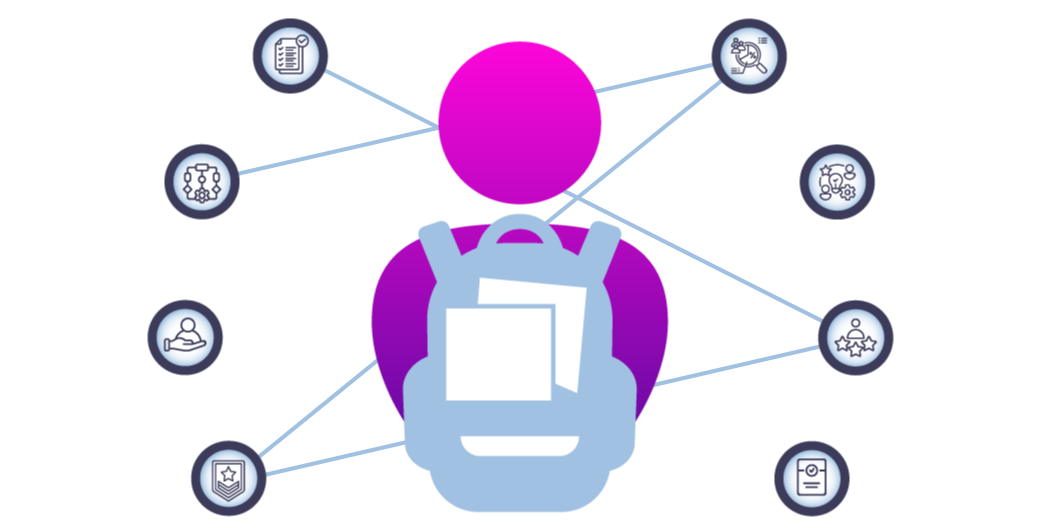
LIF enables institutions and application teams to work with learner data that is typically scattered across disconnected systems. By composing, translating, and governing data from multiple sources, LIF makes it easier for learner-facing applications, such as portals, wallets, and advising tools, to operate with consistent learner context. LIF is designed for organizations and institutions that need to:
- Translate that data into a consistent model
- Make it usable through APIs and tools for approved purposes
- Locate learner data across multiple systems
How Does LIF Work?
LIF checks what data is being requested, locates the appropriate source system, and translates that data into a shared, governed format, addressing a problem that cannot be solved through point-to-point integrations or static data standards alone. Approved tools can then access richer learner context without one-off integrations or centralizing data in a new system of record.
Who is LIF For?
LIF provides shared infrastructure that helps learner data work better across institutions and applications, supporting technical decision-makers, data teams, and builders while ultimately improving learner-facing experiences.
- Leadership & Technical Decision-Makers: For CTOs, CIOs, chief data officers, and senior leaders across colleges, universities, training providers, and workforce organizations responsible for strategy, scale, and long-term sustainability.
- LIF helps leadership teams reduce integration risk and long-term technical debt by providing a reusable, governed approach to learner data interoperability, offering an alternative to costly DIY solutions and fragmented past efforts.
- IT and Data Teams: For the teams responsible for data architecture, integrations, and system reliability.
- LIF provides a lightweight, open-source translation and orchestration layer that maps institutional data to a shared learner model, reducing the need for brittle, point-to-point integrations and simplifying how data is accessed across systems.
- Product and Application Teams: For teams building learner-facing tools such as portals, wallets, advising platforms, and AI-enabled applications.
- LIF enables product teams to access learner data through a single, consistent interface, making it possible to build applications that work across institutions and use cases without re-solving data integration each time.
How is LIF Used?
LIF is infrastructure: it enables real applications to work better together, addressing multi-source learner record composition in ways existing approaches cannot, without replacing existing systems.
- Learner Wallets
- The wallet is the student-facing app. LIF is the infrastructure that makes it all work. LIF enables secure, consistent data exchange between campus systems and learner digital wallets—without replacing existing infrastructure.
- This helps:
- Reduce IT burden with one integration instead of many
- Empower students with portable, student-controlled records
- Enable seamless sharing with employers and other institutions
- Dual Enrollment & eTranscripts
- LIF enables automatic, secure transcript exchange between institutions and their dual-enrollment partners once a student authorizes sharing.
- This helps:
- Reduce registrar workload
- Create a smoother experience for dual enrollment students
- Eliminate data entry errors
- Strengthen K–12 and postsecondary partnerships
- AI-Powered Advising & Support
- LIF enables AI tools to access rich, student-specific context securely, with consent and institutional governance, solving the “cold start” problem by maintaining contextual integrity across tools and interactions.
- This helps:
- Scale personalized support with 24/7 AI advising
- Improve retention through timely, relevant guidance
- Future-proof AI investments without vendor lock-in
- Maintain strong governance and student control
How Do I Get Started With LIF?
Join the Learner Information Framework community to stay informed about updates, insights, and ongoing collaboration. Join the Learning Information Network LinkedIn group.
The LIF tools are the result of a collaborative effort among leading organizations in educational standards and data systems. This work brings together expertise in standards development, assessment design, technical infrastructure, and implementation at scale, focused on solving the long-standing challenge of composing and translating multi-source learner records in a governed, interoperable way.
LIF is supported by a coalition of organizations contributing expertise across standards, data systems, and implementation, including:
1EdTech, Alvarez & Marsal, Boston College EagleApps, CETIS LLP Credential Engine, Digital Promise, Discourse Analytics, DXtera Institute, Education Analytics, Gates Foundation, Georgetown University, LiveWhatYouLove Studio, Motlow State Community College, Opportunity@Work, Princeton University, Propel America, SkyBridge Skills, Southern New Hampshire University, Touchdown LLC, Trovares, Unicon, Velocity, We All Count, and Western Governors University
Learn More About the Framework
Join Us!
Interested in joining our efforts or hearing updates on our process?